Banner

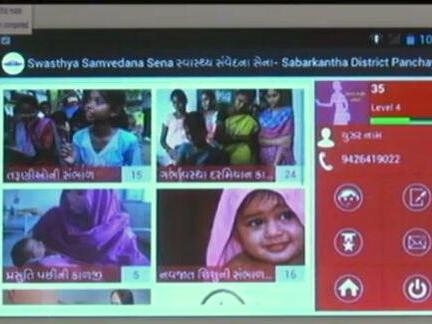
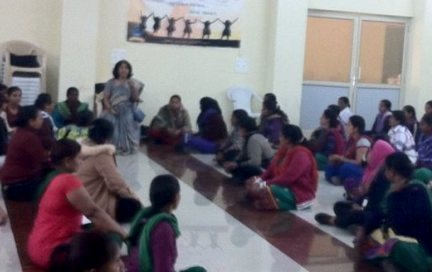
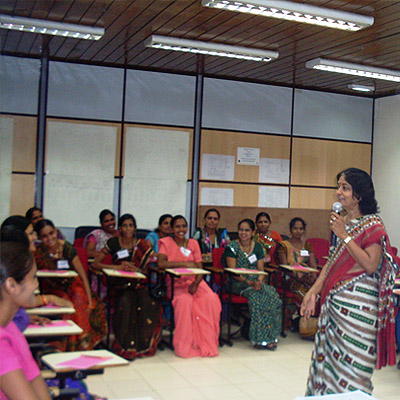
Pregnancy Classes

Better prepared is more than half job done.

Banner

Posture Care

The mothers could move their way towards a healthy pregnancy and child birth through some effective postures.

Banner

Pregnancy Fitness

The classes train the participants on various exercises, including Yoga and Pranayam, which the participants could do to maintain fitness during their pregnancy.

Banner

Breastfeeding Classes

Breastfeeding is a natural process and it is as much science as it is art.


Saturday, 22 October 2011 12:08

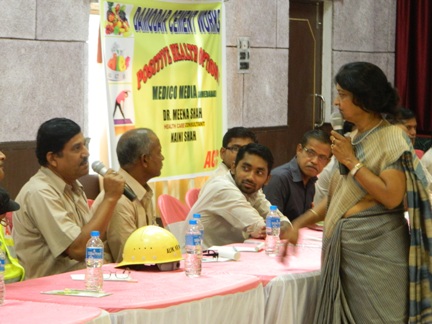
HEALTHY DIET IN PREGNANCY


Proper Nutrition - One of the greatest investments you can make for lifelong health of your child. Variety of genetic and environmental factors interacts to determine the outcome of pregnancy. Nutrition is one of the environmental influences one can control.


The rapid growth and development of your baby from conception to birth demands that, the mother provide the proper materials in light amount and at the right time for development to proceed normally.


A good diet will help you feel better and more able to cope with the demands pregnancy makes of your system. The most common recognized effect of poor diet in pregnancy is low birth weight of baby.


PRACTICAL DIET GUIDANCE IN PREGNANCY


  • Eating According To Food Pyramid
  • Eat Plenty
  • Avoid This
  • Eating With Awareness
  • Cravings
  • Myths & Misconceptions


Eating According To Food Pyramid


1.  Cereals, Roti, Paratha, Rice, Idli, Paulo, Pasta etc. & Potatoes

Imp. Function

Provide complex carbohydrates, important source of energy, and vitamins, minerals, and fiber.


Amount in One Serving:

1 Roti, 1 Idli or 1 bread.

1 ounce of cold cereal.

1/2 cup of cooked cereal, rice poha, upma

Cooked medium size potatoes


Points To Remember

You need the 10-12 servings from this group each day. Choose whole grain products. Foods to be made with little fat or sugar.


2.  Vegetables 

Imp. Function

Provide vitamins A & C, folic acid, and minerals such as iron and magnesium. Low in Eat provides fiber.


Amount in One Serving

1 cup of leafy vegetables.

3/4 cup of cocked or raw vegetables.

3/4 cup of vegetable juice.

I cup soup.

I bowl Raita salad.


Points to Remember

You need 4 -5 serving. Choose a variety of vegetables, such as dark-green leafy vegetables, deep-yellow vegetables and peas, beans. Include dark green leafy vegetables several times a week for the vitamins they supply.


3.   Fruits

Imp. Function

Provide vitamins A, B complex, C, potassium fiber etc.


Amount in one serving:

1 medium apple, banana, or orange. 112 cup or chopped, cooked, or canned fruit.3/4 cup of fruit juice.


Points to Remember

You need 3 serving. Choose fresh fruits, fruit juices. Eat vitamin C rich citrus fruits, melons, amla. Lemon and tomatoes often. Choose fruit juices instead of fruit drinks / Cold drinks.


4.  DAL Pulses, Dry Beans Poultry, Fish Meat, Eggs, and Nuts.

Imp. Function

Provide B vitamins, protein, iron and zinc. Protein and iron are especially important in pregnancy since the fetus needs for normal development.


Amount in one serving

I bowl of dal.

1bowl sprouts.

1 bowl beans or peas.

3/4 Rajma, Charm & other pules.

1/2 bowl Peanuts or other nuts.

2-3 ounces of cooked lean poultry, fish, or meat.

1 egg.


5. Milk, yogurt,   Butter Milk, Paneer and Cheese

Imp. Function

Major source of protein, calcium, phosphorus, and vitamins.

Calcium is especially important in pregnancy.


Amount

1 cup of milk or yogurt.

& 1/2 ounces of natural cheese paneer.

1 ounces of processed cheese.

1 big glass Lass (butter milk)


Points to Remember

You need 3 serving from this group each day. Choose low-fat, skimmed items whenever possible. Nuts seeds and almonds or sesame seeds. They are also good source of calcium.


6.  Oil ghee butter &cream     

Amount

You need 5-6 teaspoon / day


Points to Remember

Use teaspoon while using oil / ghee during cooking

It is wrong notion that you need lots of ghee in pregnancy

Avoid fried / fatty food as much as possible


7.  Salt & sugar

Points to Remember

Cut down salt by 50%.

Avoid papads / pickles / preserved food with lots of salt

Avoid Chinese food which contains sodium monoglutamate

Take very little sugar as it is empty calories. Do not use any sugar substitutes.


 MYTHS & MISCONCEPTIONS

  • Coconut  water leads  to  gas  and  indigestion  so  mineral- rich  coconut  water  is  not  given.
  • Eating coconut  will  cause  "rotting"  of  baby 's head .
  • Pulses  give  indigestion  and  gas  to  mother  and child  so  protein-rich  pulses  are  avoided.
  • Lactating  mother  should  have  lots  of  "ghee" to  recover  from  the  stress  and  strain  of delivery so she  is  fed large  amounts  of  fat  which  leads  to  obesity.
  • Iron  rich green  leafy vegetables  cause  Greenish  diarrhea  in   infants.
  • Castor  oil  helps  to  deliver  child  easily  thus  it  is  given  for  more  than  15  days  before  delivery. 
  • Drinking  water  will  cause distention  of  abdomen  and  fat deposition  so  she  is  asked  not  to  drink  much  water  after  delivery.)


 Cravings

  • Pregnant  women  sometimes  have  cravings  for  certain  foods. 
  • On  occasion,  giving  into  a  craving  we should  cause  no  problems  as long  as  the  rest  of  diet  is  well  balanced  and  what you  eat  is  not  harmful. 
  • If you  have  a  strong  desire  to  eat  things  that  are  not  foods,  such  as  clay  or  laundry  starch, this  is  called  pica. 
  • If  you  have  this  kind  of  craving,   talk  to  your  doctor.


EATING  WITH   AWARENESS

  • Eat  in  a  settled  and quiet  atmosphere.
  • Always  sit  down  to  eat.
  • Don’t  eat  when  you’re  upset or  angry.
  • Eat  only  up  to  the  point  of  comfort . Leave  one-third  to  one-quarter of  your  stomach  empty  to aid  digestion  and  avoid  gas  and  discomfort.
  • Eat  more  frequently   every   3-4  hrs.  or  so  but  in  small  quantity.
  • Eat  whenever  you’re  hungry,  but  don’t  eat  when  you’re  not  hungry.
  • Avoid  ice-cold  food  and drinks with meals.
  • Eat  at  a  moderate pace,  neither  too  fast  nor  too  slow.
  • Eat  freshly  cooked  meals.
  • Experience  all  six  tastes  at  every  meal.
  • Relax  for  a  few  minutes  after  your  meal. 


EAT PLENTY

1.     Complex carbohydrates such as rotis, idlis, poha, pulao / rice, whole meal bread and pasta

2.     Fresh fruit and vegetables, which provide fibre, vitamin C and folate

3.     Milk and dairy products

4.     Meat, fish, pulses, sprouts, nuts and seeds

5.     Oily fish and seed oils, for essential fatty acids

6.     Use  polyunsaturated fats avoid saturated fats from butter cream, coconut oil etc.


     AVOID THIS


1.Un-pasteurized dairy products

2.Liver and liver products 

3.Alcohol and cigarettes

4.Herbal medicines and all drugs except under medical supervision


Last Updated on Tuesday, 25 October 2011 16:11